
Filters
Clear allSubject
- Careers (139) Apply Careers filter
- Climate Change (15) Apply Climate Change filter
- Computing (215) Apply Computing filter
- Creative arts and media (2) Apply Creative arts and media filter
- Cross curricular (169) Apply Cross curricular filter
- Design and technology (337) Apply Design and technology filter
- Engineering (198) Apply Engineering filter
- Food Preparation and Nutrition (29) Apply Food Preparation and Nutrition filter
- Leadership (24) Apply Leadership filter
- Mathematics (694) Apply Mathematics filter
- Personal development (25) Apply Personal development filter
- Psychology (21) Apply Psychology filter
- Science (769) Apply Science filter
- Space (49) Apply Space filter
- STEM Ambassadors (11) Apply STEM Ambassadors filter
- STEM Clubs (28) Apply STEM Clubs filter
Age range
Type
- Activity sheet (534) Apply Activity sheet filter
- Article (39) Apply Article filter
- Assessment (15) Apply Assessment filter
- Audio (1) Apply Audio filter
- Data set (16) Apply Data set filter
- Demonstration (16) Apply Demonstration filter
- Experiment (47) Apply Experiment filter
- Game (9) Apply Game filter
- Group work (28) Apply Group work filter
- Image (32) Apply Image filter
- Information sheet (71) Apply Information sheet filter
- Interactive resource (24) Apply Interactive resource filter
- Open-ended task (23) Apply Open-ended task filter
- Poster (24) Apply Poster filter
- Presentation (63) Apply Presentation filter
- Quiz (4) Apply Quiz filter
- Research (147) Apply Research filter
- Self assessment (7) Apply Self assessment filter
- Simulation (3) Apply Simulation filter
- Teacher guidance (544) Apply Teacher guidance filter
- Textbook (27) Apply Textbook filter
- Video (199) Apply Video filter
- Include Physical Resources (22947) Apply Include Physical Resources filter
Showing 1674 results
By constructing a model of the constellations in the zodiac, students can learn about the relative motion of the Sun and the Earth. Students can find their own star sign and discover how the view from the Earth will change as the Earth orbits the Sun. The model allows them to see how the night sky changes over a...
This self-study booklet from the National Strategies is on the topic of fractions, ratio and proportion. It was originally written to support and develop the subject knowledge of teachers in Key Stages Two and Three. The 2000 National Curriculum gave greater emphasis to this topic, particularly ratio and proportion...
This full lesson plan, plus dataset and worksheet, from CensusAtSchool is designed to help students understand the different types of average, how to calculate and compare them and which average it is appropriate to use for a particular data set.
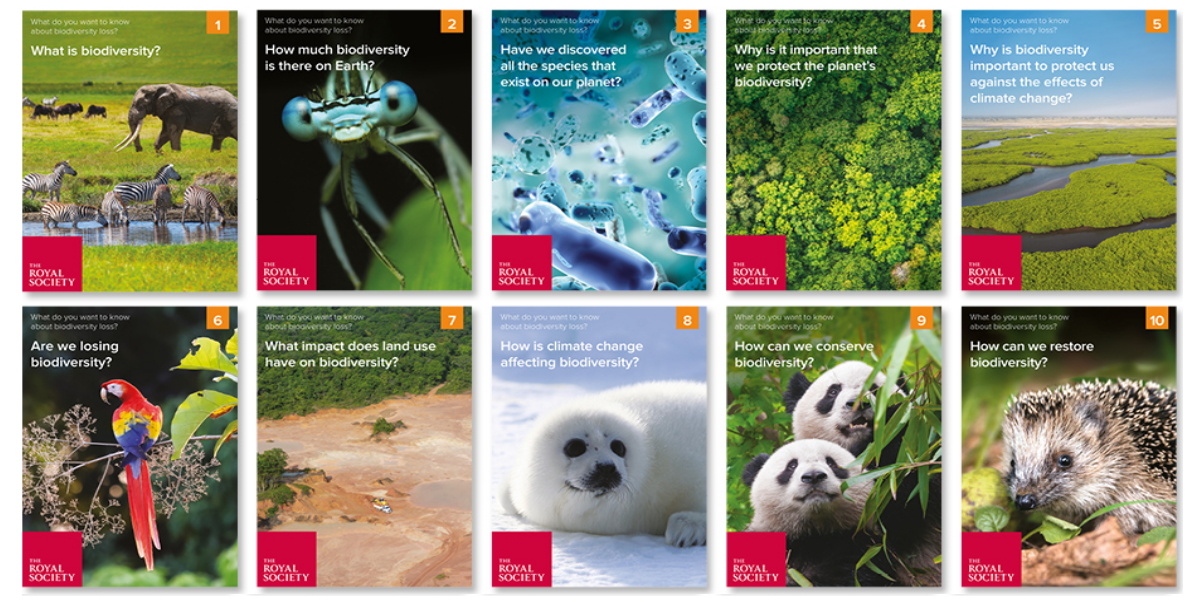
These evidence-based, question and answer style classroom resources can be used to engage students of all ages...
These classroom resources from the Royal Society, based on the latest evidence available to scientists, can be used to engage students in the climate debate and to explore and understand topics relating to climate change. Further resources and extension tasks linked to these activities from the Royal Society are...
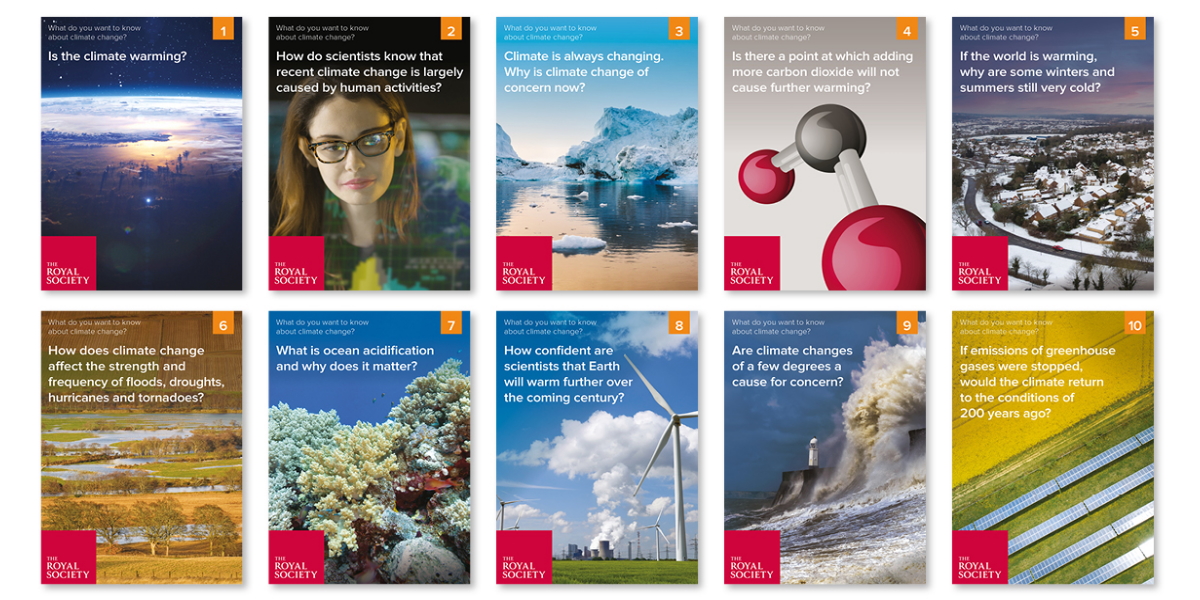
These evidence-based, question and answer style classroom resources can be used to engage students in the climate...
This Cre8ate maths activity motivates the use of averages, ranges, percentages, bar charts, pie charts, and tables to make comparisons, interpretations and conclusions. The students can perform the "What is in your bowl?" activities to investigate serving amounts and what is eaten for breakfast. The data collection...
In this lesson plan from stats4schools, students are asked to interrogate a dataset of first names. Students will order information chronologically, investigate the meaning of words in the context of names, use primary and secondary data and use research effectively to support an answer or argument.
Lesson...
Our height changes throughout the day. When we lie down at night, gravity no longer pulls in a direction to make us shorter, so our bodies stretch, and we return to our taller height again. However, astronauts who don’t experience the effect of gravity for months at a time grow taller.
In this activity...
In this activity children take on the role of Earth observation scientists submitting a request for an image they would like for their research. This gives them the opportunity to consider the possibilities of pictures taken from orbit (and the limitations) and to write scientifically for a specific audience. It...
Botanic Gardens Conservation International (BGCI) has created teaching activities based on climate change. Students discover how an invasive species (water hyacinth) has caused eutrophication and destroyed fish stocks. Students are given a series of cards containing information. Working in small groups, they are...
This 30 minute activity encourages pupils to consider who is responsible for ensuring we achieve the Global Goals (also known as the Sustainable Development Goals, SDGs).