
Filters
Clear allSubject
- Careers (391) Apply Careers filter
- Climate Change (49) Apply Climate Change filter
- Computing (162) Apply Computing filter
- Creative arts and media (4) Apply Creative arts and media filter
- Cross curricular (204) Apply Cross curricular filter
- Design and technology (749) Apply Design and technology filter
- Engineering (500) Apply Engineering filter
- Food Preparation and Nutrition (39) Apply Food Preparation and Nutrition filter
- Health and safety (2) Apply Health and safety filter
- Leadership (25) Apply Leadership filter
- Mathematics (577) Apply Mathematics filter
- Personal development (22) Apply Personal development filter
- Psychology (25) Apply Psychology filter
- Space (50) Apply Space filter
- STEM Ambassadors (20) Apply STEM Ambassadors filter
- STEM Clubs (48) Apply STEM Clubs filter
Age range
Type
- Activity sheet (992) Apply Activity sheet filter
- Article (93) Apply Article filter
- Assessment (34) Apply Assessment filter
- Audio (51) Apply Audio filter
- Data set (14) Apply Data set filter
- Demonstration (43) Apply Demonstration filter
- Diagram (1) Apply Diagram filter
- Experiment (142) Apply Experiment filter
- Game (38) Apply Game filter
- Group work (46) Apply Group work filter
- Image (91) Apply Image filter
- Information sheet (301) Apply Information sheet filter
- Interactive resource (96) Apply Interactive resource filter
- Lecture (2) Apply Lecture filter
- Open-ended task (19) Apply Open-ended task filter
- Poster (56) Apply Poster filter
- Presentation (291) Apply Presentation filter
- Quiz (22) Apply Quiz filter
- Research (211) Apply Research filter
- Self assessment (6) Apply Self assessment filter
- Simulation (2) Apply Simulation filter
- Teacher guidance (1501) Apply Teacher guidance filter
- Textbook (95) Apply Textbook filter
- Video (669) Apply Video filter
- Include Physical Resources (12168) Apply Include Physical Resources filter
Showing 3563 results
This challenge is an opportunity for students to explore, experiment and innovate whilst designing a specialised wetsuit for paratriathletes who need specialised equipment to allow them to compete. Whilst the development in technology of prosthetic limbs, racing wheelchairs and handcycles has been substantial, no...
This short activity introduces students to the ideas of the footprint and resolution of an image, asking them to choose and use appropriate methods to calculate how these quantities would change as they moved a camera to a series of vantage points above the surface of the Earth
This topic, from the Association for Science Education (ASE), focuses on nutrition and looks at links between diet and health. Students are able to reflect on the nutritional and social values of different diets and then exchange information about their findings. As they work though the topic the students make a...
Work done in this Nuffield 13 - 16 module followed from the unit called ‘Food and digestion’. This B unit provided enough material for six double periods in the third year of secondary school (year nine). The teachers’ guide included four worksheets to supplement the...
This activity uses a humorous video to raise a serious question: can science tell us what animals are saying, and interpret their emotions? The Bow-lingual dog translator claims to detect animal emotions by analysing bark sounds waves. Students use research evidence to decide whether the device does what it claims...
This concept cartoon focuses on forces. Concept cartoons provide an approach to teaching, learning and assessment in science, they feature cartoon-style drawings showing different characters arguing about everyday situations. They are designed to intrigue, to provoke discussion and to stimulate scientific thinking...
These diagnostic questions and response activities (contained in the zip file) support students in being able to:
-
Understand that a force makes things change: the speed, direction and/or shape of an object.
-
Explain changes caused by more than one force acting on an object at the...
Using real data from CensusAtSchool 2000/2001, this resource explores issues around the disposal or recycling of the empty aluminium cans in schools. Students discuss the issue, calculate statistics, draw graphs and look further into what happens to empty cans in their own school.
This Economic and Social Research Council (ESRC) school briefing discusses fat as a class issue, as well as a feminist issue. Research shows that middle class families are more likely to be health-conscious eaters, and chances are the shops in their neighbourhoods offer a wider range of healthy food. The resource...
This activity, from the Institution of Engineering and Technology (IET), provides an opportunity to assess students understanding of remote surgery.
It is intended that students will:
• Understand what remote...
By constructing a model of the constellations in the zodiac, students can learn about the relative motion of the Sun and the Earth. Students can find their own star sign and discover how the view from the Earth will change as the Earth orbits the Sun. The model allows them to see how the night sky changes over a...
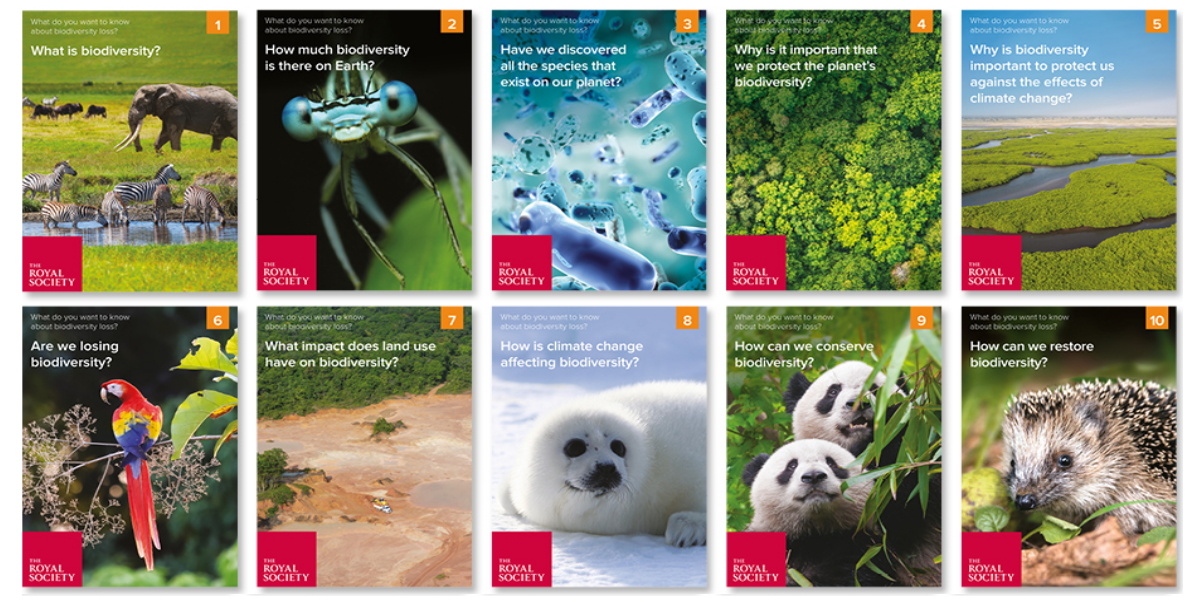
These evidence-based, question and answer style classroom resources can be used to engage students of all ages...
These classroom resources from the Royal Society, based on the latest evidence available to scientists, can be used to engage students in the climate debate and to explore and understand topics relating to climate change. Further resources and extension tasks linked to these activities from the Royal Society are...